
Yes, even during a pandemic!
You know the saying – ‘you don’t know what you’ve got till it’s gone’? Well that was certainly my experience recently when I temporarily lost the hearing in my right ear. Well, I say ‘lost’, it’s more accurate to say my hearing was ‘severely muffled’ after a night spent sleeping with ear plugs rammed deeply into my ears to drown out the cries of a rather amorous fox in the next garden.
The following morning, when I took my ear plugs out, the hearing in my left ear was fine but the right had the kind of ‘foggy’ sensation you get when on a plane that’s coming in to land. I assumed it would sort itself out during the day, but no matter how much I yawned, my hearing refused to return. In fact, two days later when it still felt like I was living under water, I started to worry – had I done some permanent damage?
Thankfully, my hearing finally returned to normal over the next few days, but what stayed with me were two things. Firstly, an overwhelming sense of gratitude to have my hearing back; and secondly a reminder to be grateful for all those things we take for granted on a daily basis.
The science bit: our brains love a bit of gratitude!
It’s been scientifically proven that cultivating an attitude of gratitude can improve mental wellbeing by increasing our levels of happiness and lowering levels of anxiety and depression – even in the middle of a crisis.
In fact, research has shown that months after taking part in short gratitude writing tasks – such as keeping a gratitude diary for a number of weeks – people’s brains are still wired to feel thankful. So in a nutshell, the more often you count your blessings, the more positive you feel.
Sounds good, right?
But what does ‘cultivating a sense of gratitude’ even mean, and how the heck do we do that when life is so, let’s be honest, ‘crappy’ right now?
It might be easier to say what it doesn’t mean. Cultivating a sense of gratitude does not mean pretending to feel OK when you’re not. Neither does it mean ‘looking on the bright side’ or avoiding difficult feelings at all costs.
What it does mean, is taking a moment to reflect on our life just as it is, right in the very moment – with all its challenges, and to think what am I truly grateful for right now?
That day when my hearing returned, I was grateful to be able to hear the birds singing as I went for a walk round my local common. It also made me reflect on all the body parts I take for granted on a daily basis. When everything is working well, we don’t tend to think about what our lungs are doing, or our knees, or hips. We don’t wake up each morning and cheer ‘hurrah for my spleen!’, because frankly that would be a bit weird. It’s only when things go wrong and we fall ill or hurt ourselves that we tend to give all the amazing things our body does any thought, or indeed any gratitude at all.
But if this pandemic has taught us anything, it’s the truth of the ‘don’t know what you’ve got till it’s gone’ adage. For each of us there will be a unique menu of things, places and people we miss the most.
It is reflecting on these losses that allows us to access a well of gratitude. Because the things we miss show us the things we actually have – people we love, our passions and interests.
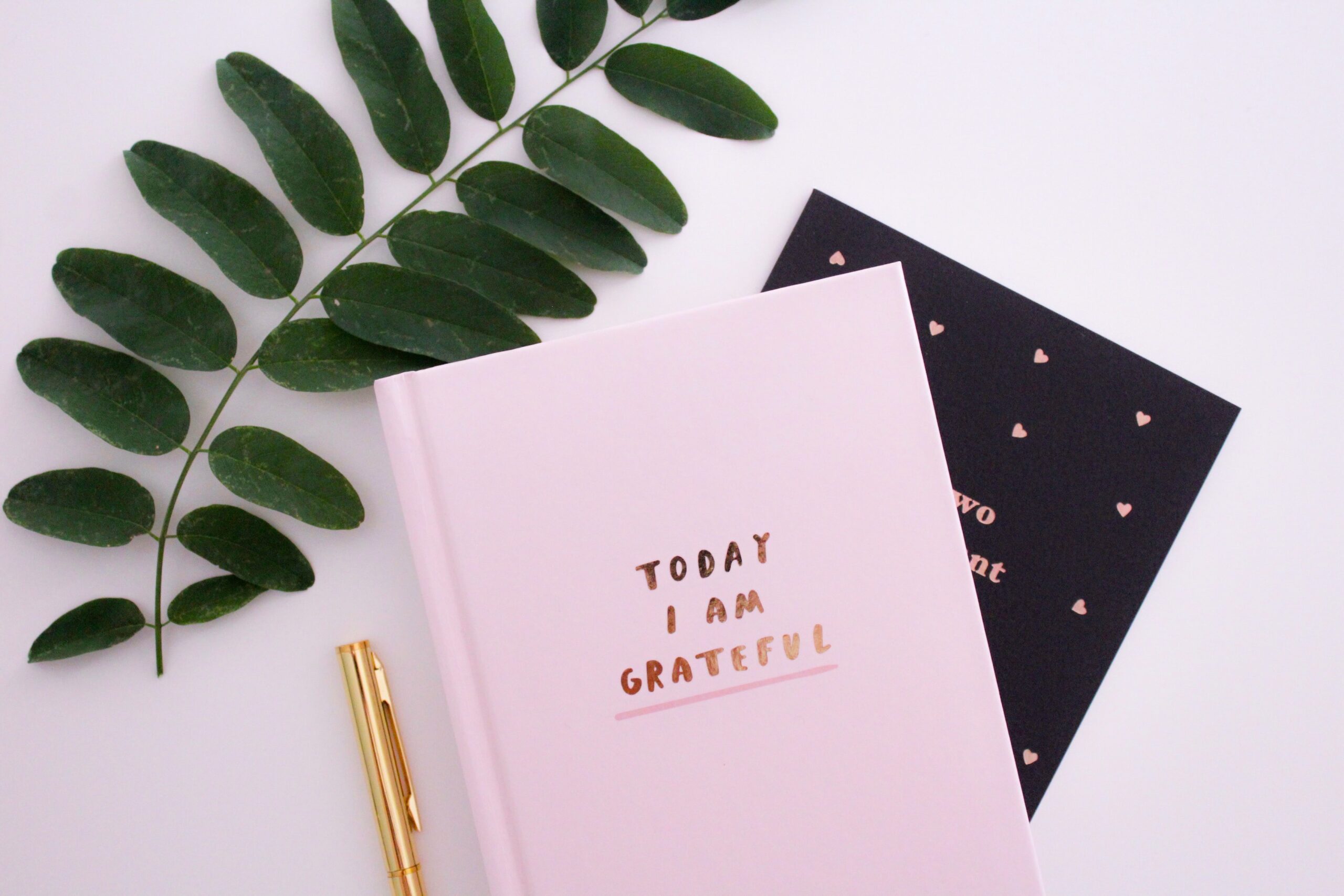
The key to gratitude, is to tap in to those ‘everday’ things we take for granted, and allow ourselves to acknowledge them and be thankful. Holding them in mind though, isn’t enough. We need to make a daily record of them.
Professor Bruce Hood of BBC podcast The Happiness Half Hour recommends writing a list of 5 things every day. If that feels too much, maybe start off doing it once a week, and think about – right now, what am I grateful for or glad about.
It might be the cute animal videos that pop up on your social media every day or an unexpected text message from a friend. It could be a sunny morning or the joy of waking up without a backache for once. Maybe homeschooling went by without a massive meltdown (for you or your kids!), or you managed to grab five whole minutes peace and quiet to enjoy a cup of tea.
But when things are really tough, and even getting out of bed is a struggle, it can feel impossible to find any blessings to count. That’s when it’s important we reach out to our GP or a professional counsellor. Finding gratitude difficult to reach should not be another stick to beat ourselves with. Sometimes we just need help to find those blessings, while still acknowledging the difficulties in our lives.
A song that encapsulates this so beautifully is Ain’t Got No, I Got Life by Nina Simone. While acknowledging all her difficulties and struggles, it also celebrates her body, life, spirit and her freedom.
Times are hard right now, but like Nina, we have our lives, our bodies and our selves, which is always something to be grateful for.