
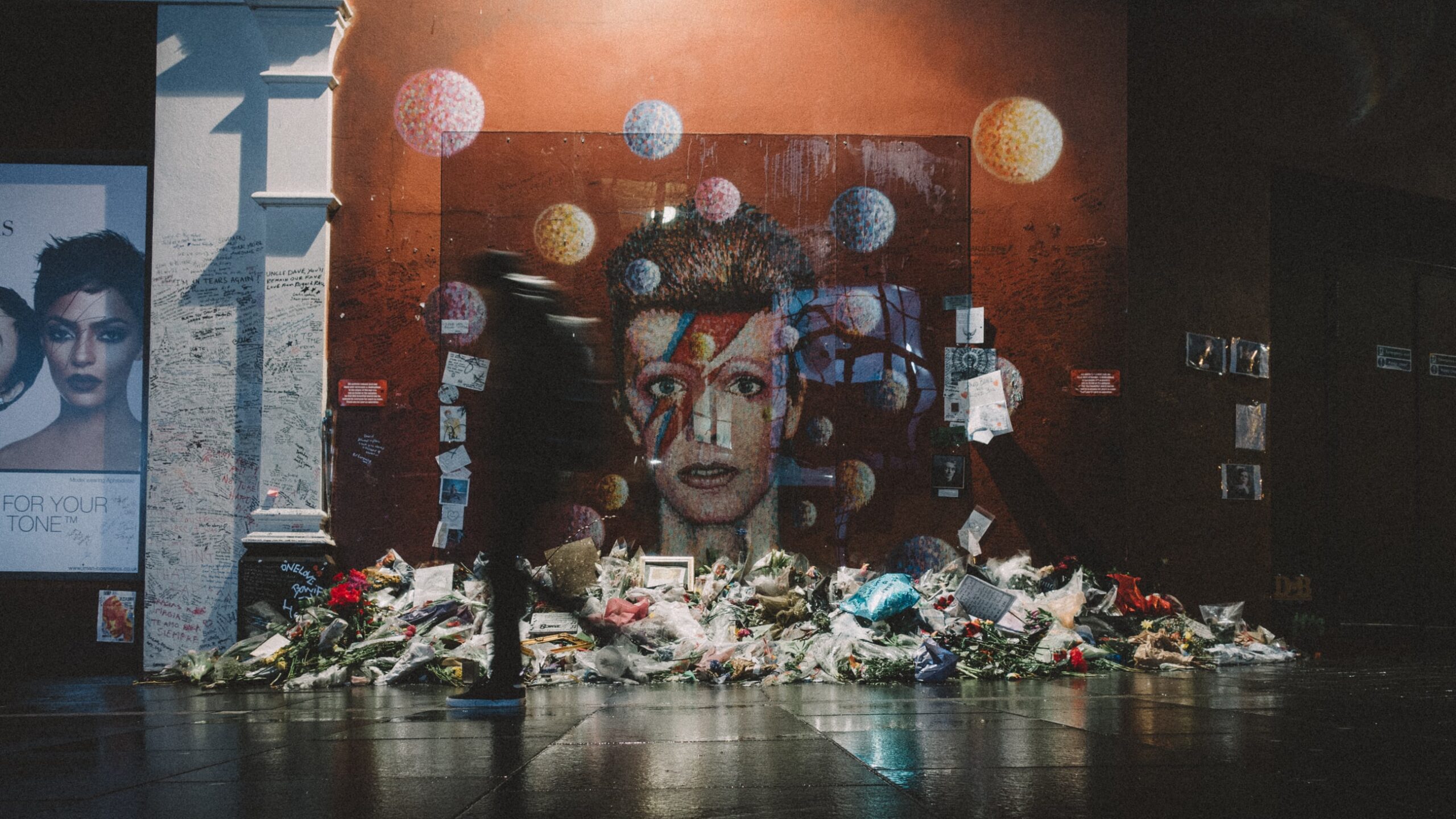
I’d only been awake a few minutes when my mobile buzzed. A WhatsApp message appeared from an old friend. ‘Just woke up to this utterly heartbreaking news!’ he’d written, linking to an article about the death of Foo Fighters drummer Taylor Hawkins. His message was signed off with a crying face and broken heart emoji.
‘No!’ I messaged back, shocked. ‘That’s awful!’
Which of course, it was. Hawkins was only 50, and a hugely talented, successful musician. I found my thoughts wandering back to him throughout the day, each time feeling a slight double-take when I remembered that he’d died, followed by a faint sadness.
After this happened a few times, I started to become curious.
I didn’t know Taylor Hawkins. Wasn’t particularly what you’d call a Foo Fighters fan. So why did I keep thinking about his death. And why did I feel sad? Why do any of us when a celebrity we’ve never met dies?
At first glance, the answer may seem obvious. Whatever their gift – be it singing, acting, or writing, impressing on the sports field, or in parliament, or on a drum kit – that gift will of course die with them, never again to be shared with the world.
But if our sadness is just about the loss of great talent, then why don’t we feel sad whenever a talented person dies?
The meanings we make
The answer lies in the meaning we ascribe to that person. To their life. To their death. And how we relate that back to our own lives.
When you think of a celebrity you admire, what are the emotional meanings you make? Maybe you love them because they always seem sassy and strong, witty or unflappable.
We often hear people talk about ‘channelling their inner Beyonce’, or whoever their hero may be. But when we admire a celebrity, it’s usually less about ‘channelling’, and more about projecting. We bestow on our heroes the qualities we wish them to have, which in turn tend to be the qualities we feel we ourselves are lacking.
Celebrities are a canvas onto which we paint our dreams. And our own personal wish list of traits – the desire to be confident, brave, witty, successful etc, are projected like a super 8 film onto their skin.
This one-sided love affair, often developed in our teens, can stay with us throughout our lives. While we encounter the stresses and strains of work, family and growing old, that glamourous film star, super cool rocker or intellectual powerhouse are still there being, well, whatever it is you want them to be.
The danger with this, according to therapist Aniesa Hanson, is that we feel celebrities will never leave us. ‘Because we bond to celebrities at a distance, we have a tendency to immortalise them through nostalgic life experiences,’ she says. ‘This makes it difficult for us to see them as the mortals they are.’
There goes my hero
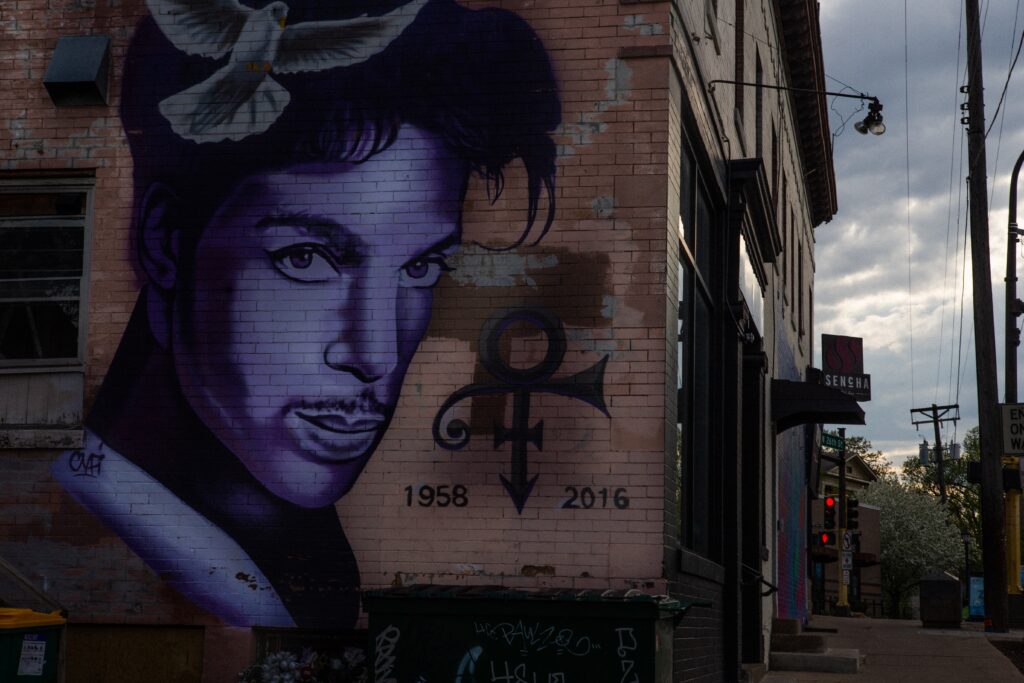
Perhaps this why Taylor Hawkins’ death kept giving me little jolts. He’s actually younger than I am, and while his cause of death has yet to be ascertained, losing someone famous ‘too soon’ inevitably makes us reflect on our mortality, and whether we’re living the life we wish to lead.
While some scoff at those who are saddened or even grief stricken at the loss of a celebrity, it’s OK to let yourself feel sad. There might even be a message in that sadness for you, that goes deeper than just the loss of whoever the celebrity is. Try to tune in to yourself, to notice what’s really coming up and what might need attending to. Perhaps those tears for a lost celebrity are mingled with feeling frustrated at work, unhappy in a relationship, or something a little harder to place.
Whatever your sadness is telling you, if you do find yourself struggling to manage or make sense of your feelings, talking to a bereavement charity such as Cruse or a professional such as myself can help.